
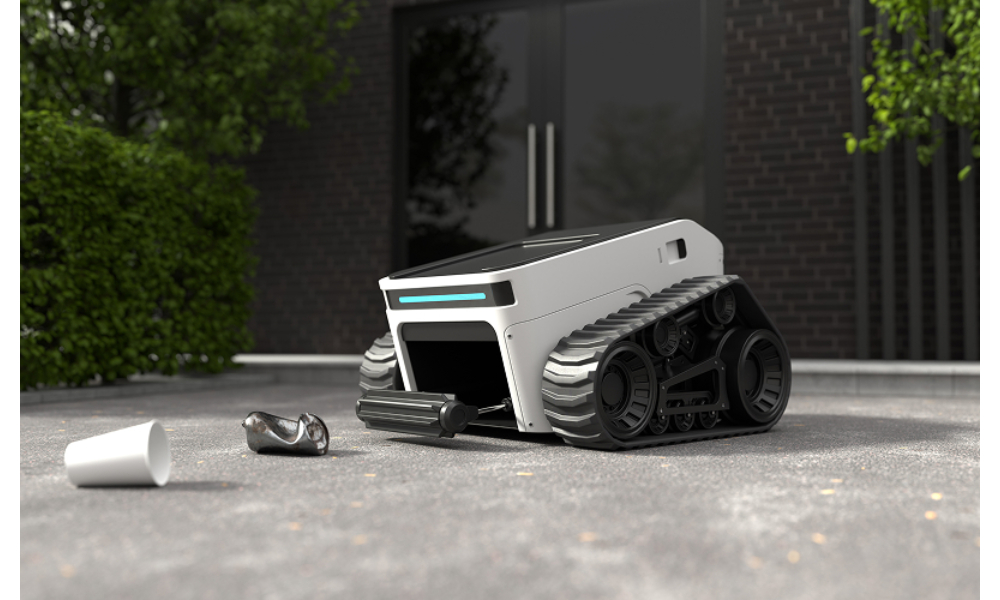
Singapore’s sustainability agenda reaches beyond renewable energy and efficient transport. It extends to how the nation protects its infrastructure and manages urban spaces. The integration of a security robot in Singapore now bridges two priorities: safety and sustainability. Through automation, real-time data, and intelligent power management, these machines show how a smart security system can also be a green system. Here are ten ways they contribute to building cleaner, safer, and more resilient cities.
1. Energy-Efficient Patrol Operations
Traditional patrols depend on constant lighting, vehicles, and fuel-based equipment. A security robot in Singapore replaces these with electric power, efficient sensors, and route optimisation. By operating quietly and charging autonomously, each patrol reduces emissions while maintaining coverage. This small shift contributes to national energy goals without compromising vigilance.
2. Smart Charging Through Renewable Energy
New charging docks connect to renewable grids or solar panels, making security robots part of Singapore’s green infrastructure. Smart charging algorithms schedule sessions during off-peak hours or when solar output is highest. This balance stabilises energy demand and keeps sustainability aligned with operational reliability.
3. Reducing Waste from Manual Systems
Paper logs and printed reports once dominated patrol documentation. Now, data collected by robots feeds directly into digital dashboards. Automated recording reduces paperwork and printing waste while providing more accurate, traceable insights for audits and maintenance tracking.
4. Optimised Resource Allocation
A smart security system provider analyses environmental data to prioritise where patrols are needed most. For example, if an area consistently reports low activity, robots can redirect to busier zones. This precision reduces redundant patrols, cutting unnecessary energy use and mechanical wear.
5. Real-Time Environmental Monitoring
Many robots carry sensors that measure air quality, humidity, and temperature as they patrol. These readings feed into broader smart city security solutions, alerting authorities to pollution spikes or potential fire risks. Each trip not only protects assets but also gathers environmental intelligence for climate resilience.
6. Predictive Maintenance for Longevity
AI algorithms predict when components need servicing, preventing breakdowns and reducing waste from premature replacements. This proactive care extends the life of each unit and minimises manufacturing demand. By keeping robots in service longer, Singapore lowers its carbon footprint while maintaining operational readiness.
7. Supporting Sustainable Transport and Logistics
Security robots share pathways with delivery robots, drones, and electric vehicles under Singapore’s integrated mobility framework. They can coordinate traffic flow during events or emergencies, reducing congestion and idling emissions. The collaboration between robotic fleets forms part of a wider eco-efficient mobility plan.
8. Lowering Carbon in Infrastructure Management
Robotic surveillance reduces the need for large vehicle fleets or additional manpower transport between sites. This consolidation cuts transport emissions while ensuring continuous monitoring. A single command centre can manage dozens of robots remotely, centralising control and minimising travel requirements for on-ground staff.
9. Educating the Public on Green Innovation
Visible, sustainable technologies reinforce Singapore’s reputation as a global smart city. When citizens see a solar-powered robot patrolling a park or managing a recycling facility, it demonstrates how safety and environmental care can coexist. Public engagement campaigns use these robots as symbols of responsible innovation.
10. A Model for Global Sustainable Security
Other cities are observing Singapore’s approach, where smart city security solutions align with environmental goals. The nation’s experience shows that automation and ecology are not opposing priorities. Instead, every robot, sensor, and system forms part of a coordinated effort to build safer, cleaner, and more sustainable communities.
Conclusion
The connection between green infrastructure and public safety is growing stronger. A security robot in Singapore exemplifies how a smart security system can conserve energy, reduce waste, and gather vital data for environmental monitoring. These innovations strengthen Singapore’s commitment to sustainability without sacrificing safety or efficiency. Smart city security solutions are about creating a balance between progress and preservation.
To learn how robotics can support sustainable and intelligent urban protection, contact KABAM Robotics.